
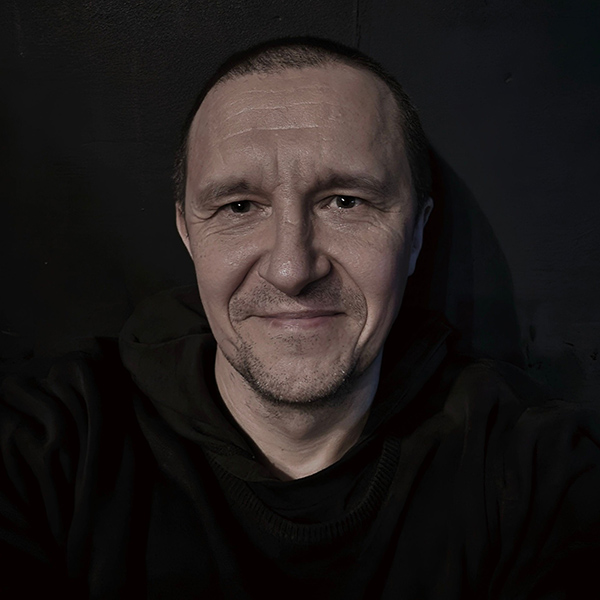
Ukończył Nauczycielskie Kolegium Języka Angielskiego w Olsztynie w 1996 roku, a w 2000 roku uzyskał tytuł magistra na Uniwersytecie Gdańskim. Uczy od ponad 30 lat – zaczynał od pracy z grupą dziesięciolatków, a następnie przez trzy lata pracował z w II LO w Olsztynie. Od 1997 roku pracuje w szkole językowej English Perfect, gdzie w latach 2007–2012 pełnił funkcję Assistant Director of Studies.
Jego doświadczenie zawodowe obejmuje również pracę egzaminatora Cambridge od 2003 roku oraz wykładowcy na Uniwersytecie Warmińsko-Mazurskim od 2007 roku. W 2016 roku obronił doktorat dotyczący percepcji tematów tabu oraz tabu jezykowego wśród osób w wieku 17–25 lat.
Jest także współautorem książek i materiałów do nauki języka angielskiego dla serii Gateway, Interface, Impulse, Together, Voices, Brainy oraz Stay Brainy. Do głównych obszarów jego zainteresowań zawodowych należą dynamika grupy i pozytywna motywacja w nauczaniu, a także wykorzystanie kontrowersyjnych i tabuizowanych tematów w nauczaniu języka angielskiego.
W wolnym czasie pasjonuje się koszykówką – jest kibicem, stat-ratem i amatorskim zawodnikiem. Kocha jeździć godzinami na rowerze po warmińskich lasach. Gra również na gitarze basowej.
Focus has become a growing concern among fellow educators, with two interconnected challenges becoming increasingly evident. First, many teachers report that their students’ attention spans seem to be diminishing, turning each lesson into a struggle against distractions of all sorts. Second, in a rapidly evolving world, we often find ourselves uncertain about which knowledge, skills, and competencies we should prioritize in order to prepare students for a future that is both fascinating and unpredictable.
Together, these issues highlight an urgent need to rethink how we understand and cultivate focus in language education, not only in our learners, but also in our own pedagogical decision-making. In our session, we will demonstrate how the core values of STREAM education can be meaningfully applied to foreign language teaching to address both of these challenges. We will provide practical strategies and classroom examples that help our students develop sustained attention and intellectual curiosity. You’ll be leaving our meeting better prepared to design focus-oriented classes that will equip your students with the language skills and cognitive competencies they will need in the complex world they are entering.

Stowarzyszenie PASE jest organizacją pozarządową, której celem głównym jest wspieranie jakości w nauczaniu języków obcych w Polsce.
W razie pytań, zapraszamy do kontaktu!
email: pase@pase.pl